Ages 7-9

Farmers

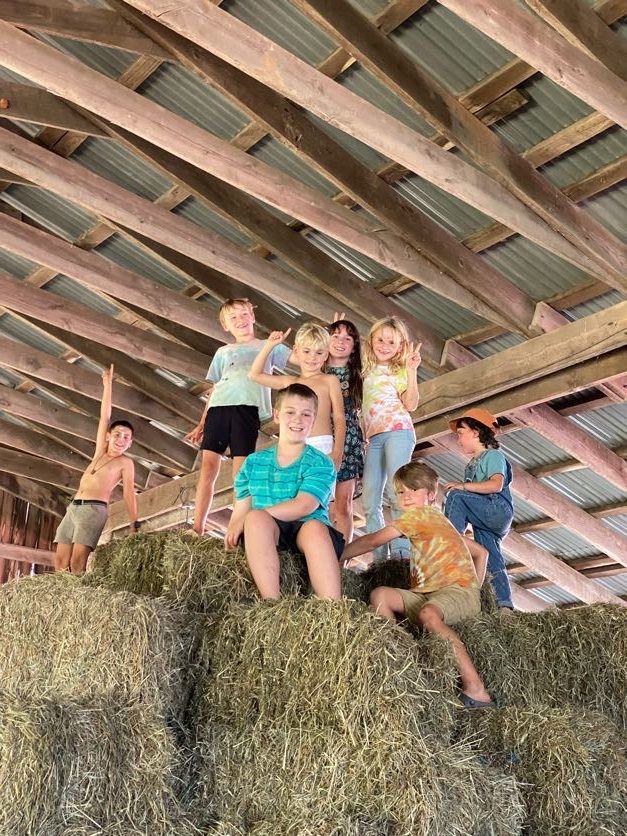
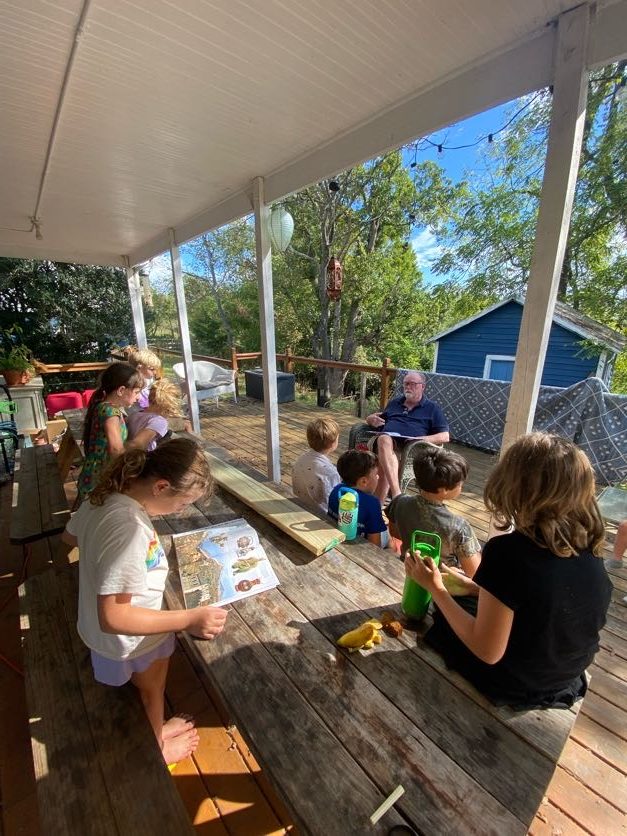
All about our farmers pod

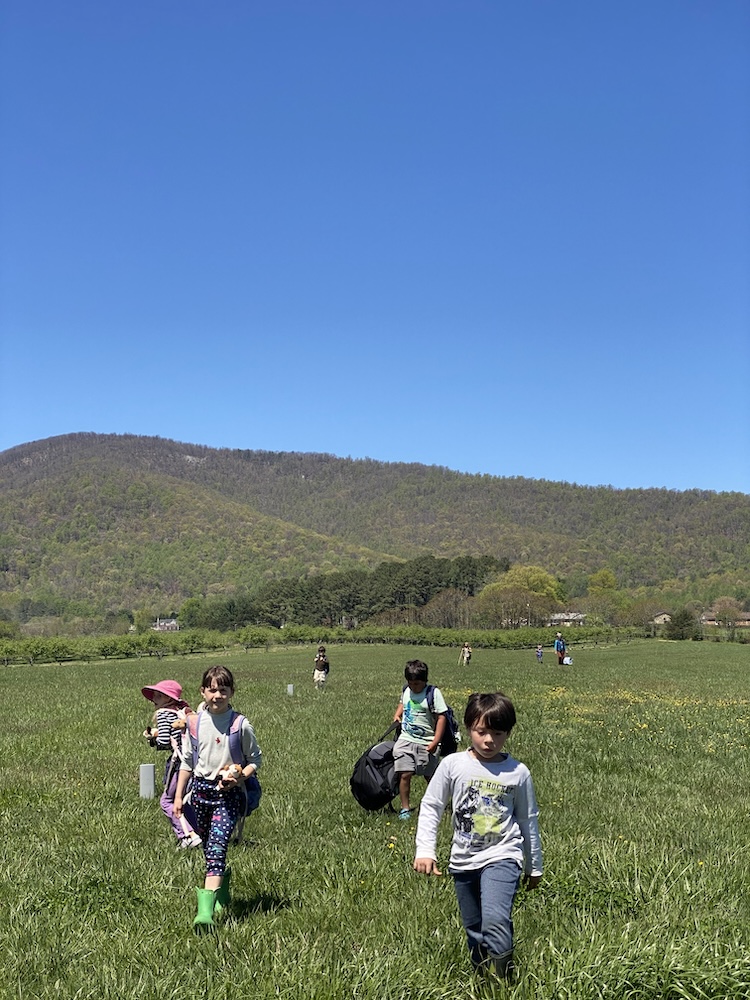
The Farmer years are a season of rooted growth — where curiosity deepens into capability, freedom matures into responsibility, and learning becomes purposeful, practical, and woven into the life of a thriving community.

Perhaps most importantly, our Farmers step into meaningful responsibility within both the farm and our wider homeschool co-op community. At this age, children are developmentally ready for real contribution — they crave purpose, competence, and the trust that comes with being counted on. We honor that stage by inviting them into authentic leadership.

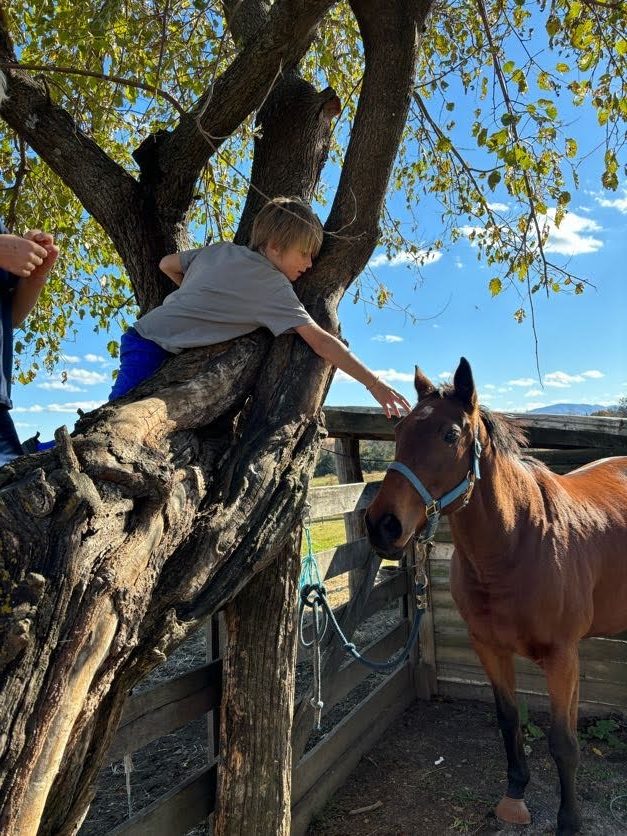
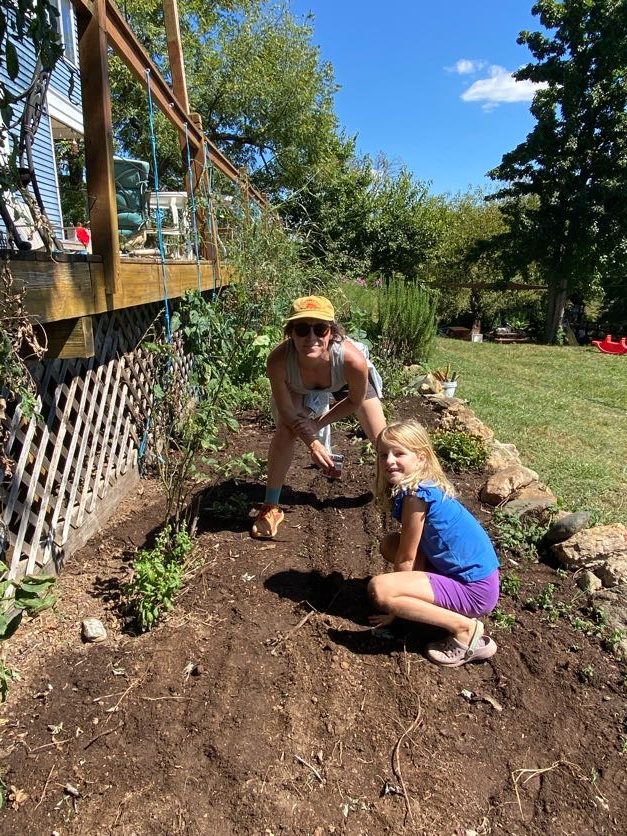
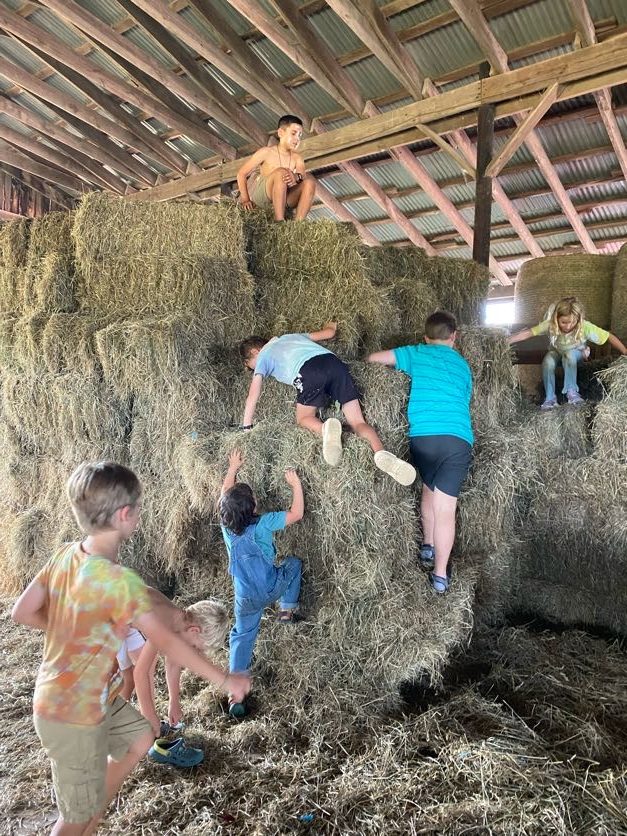
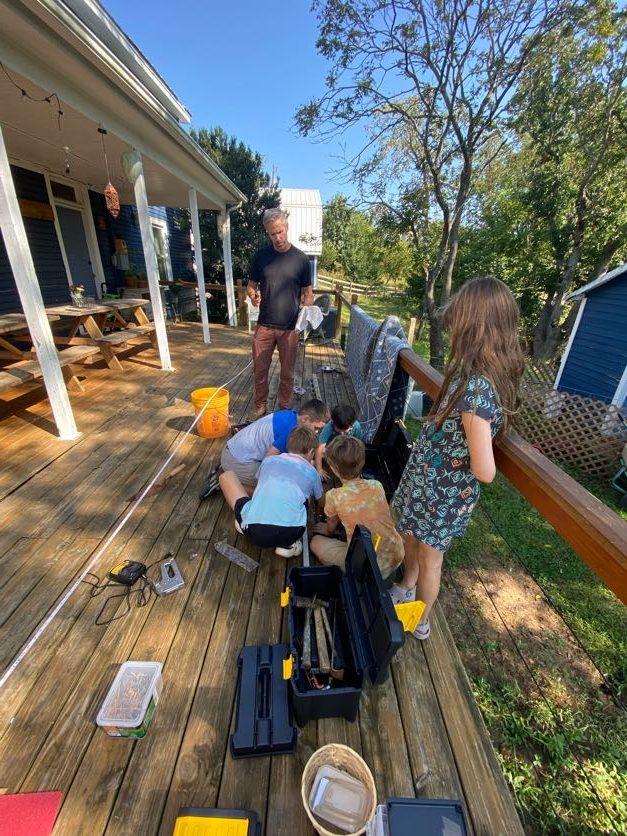
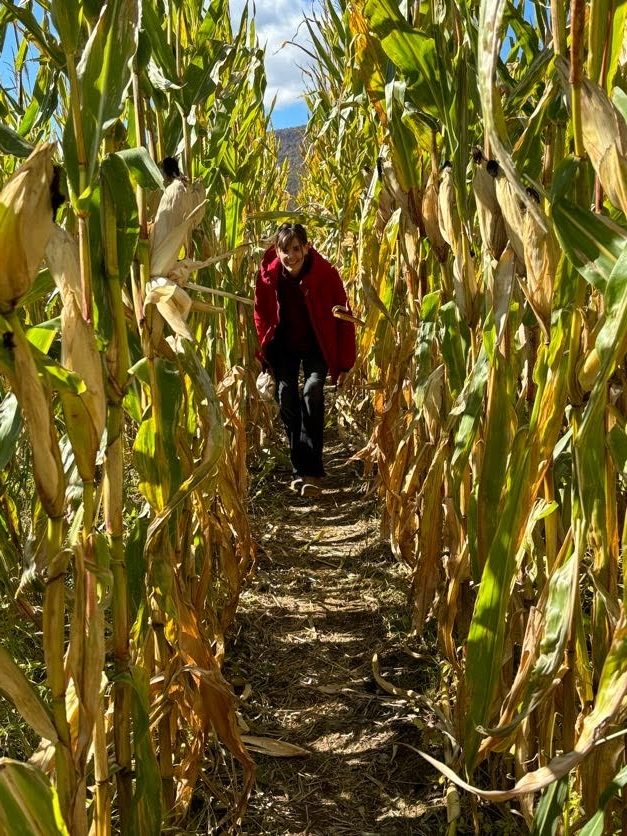
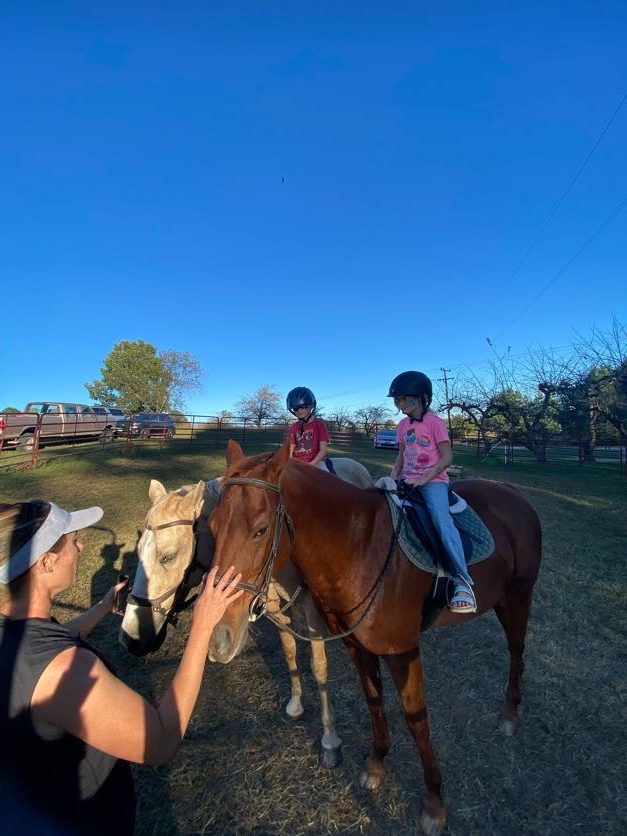
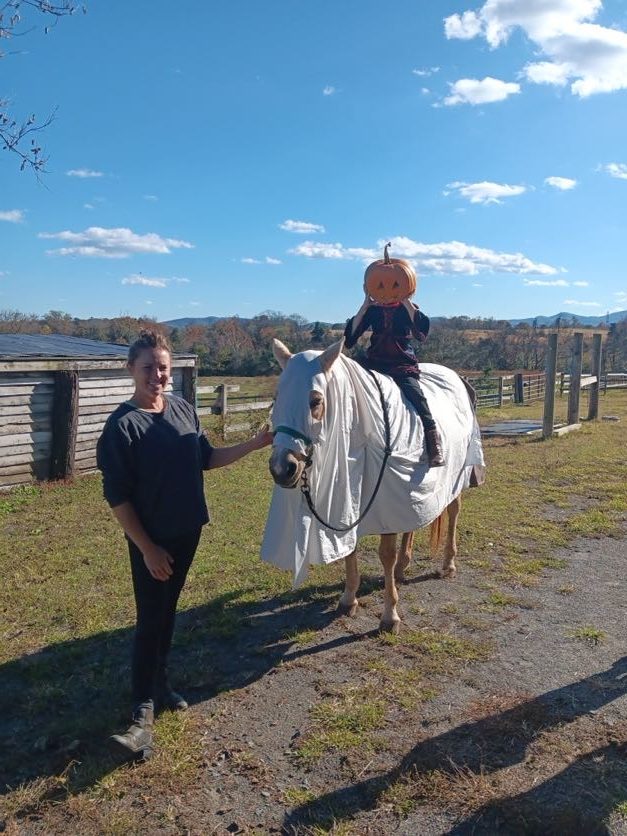
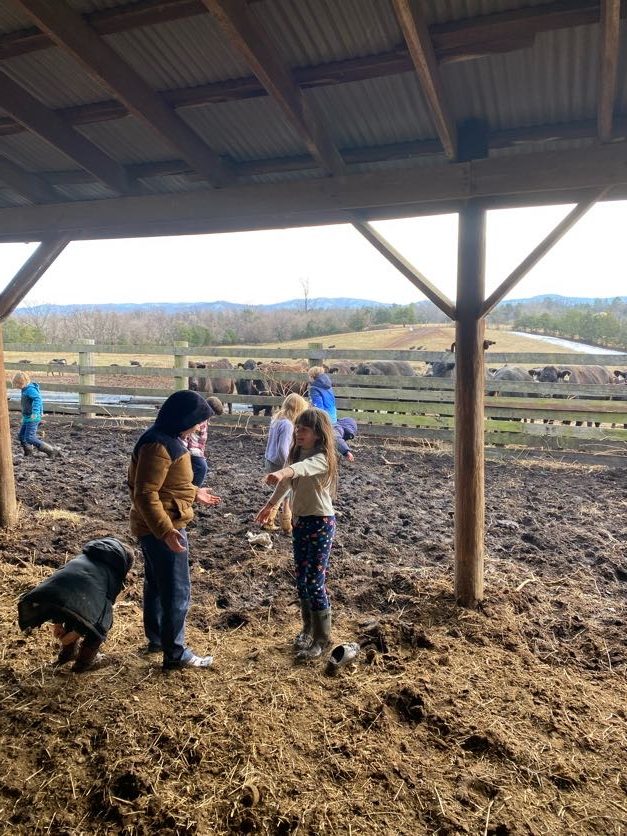
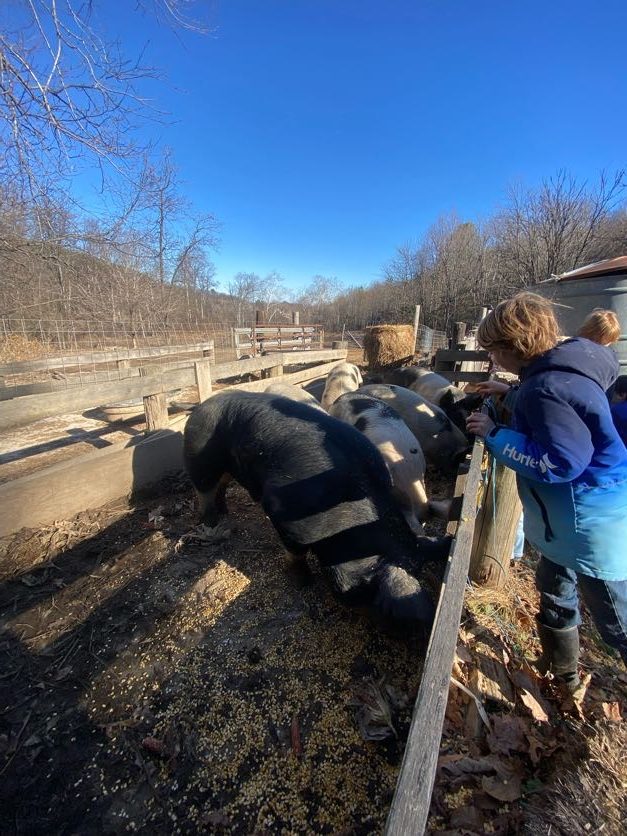
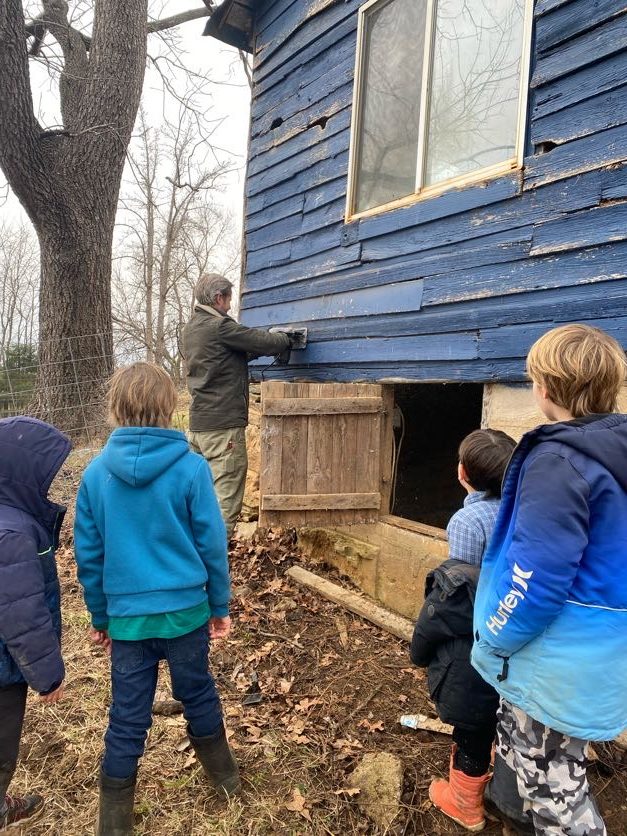
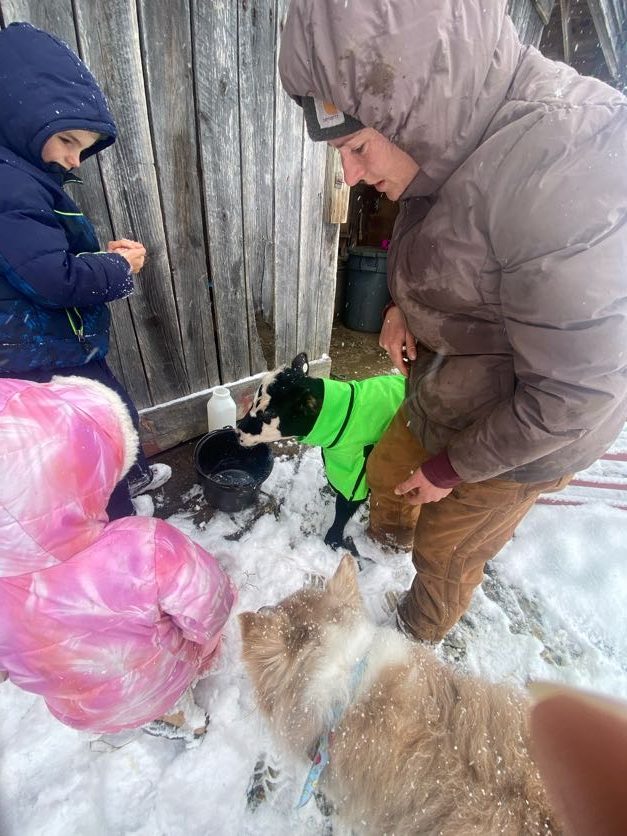
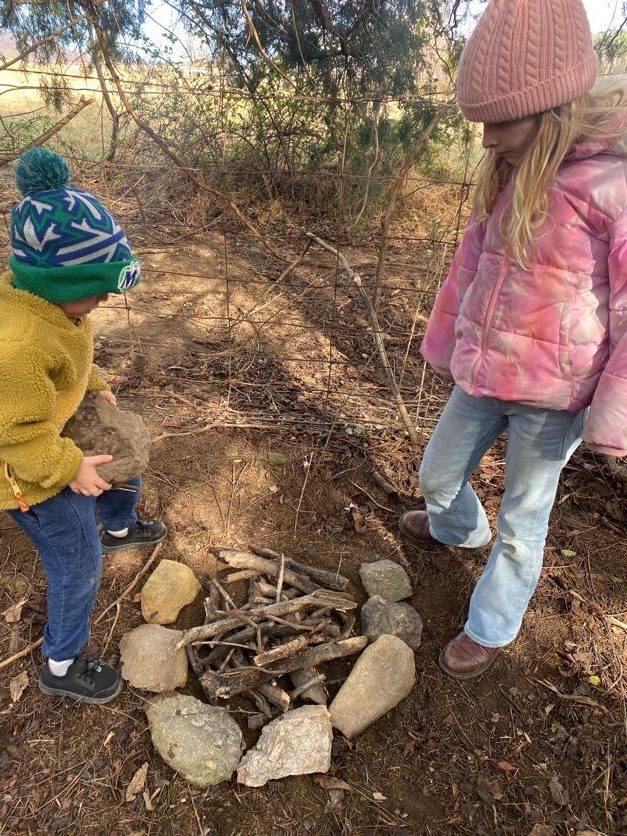
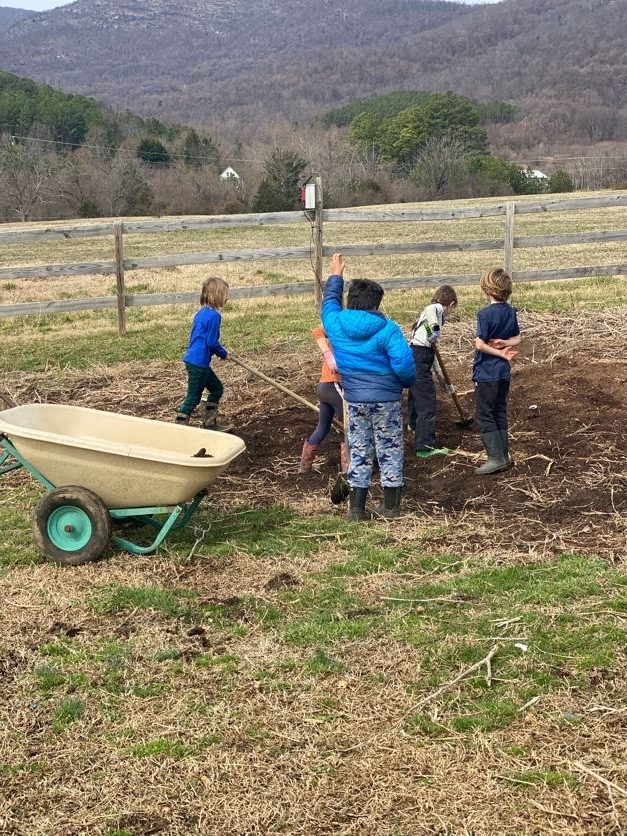
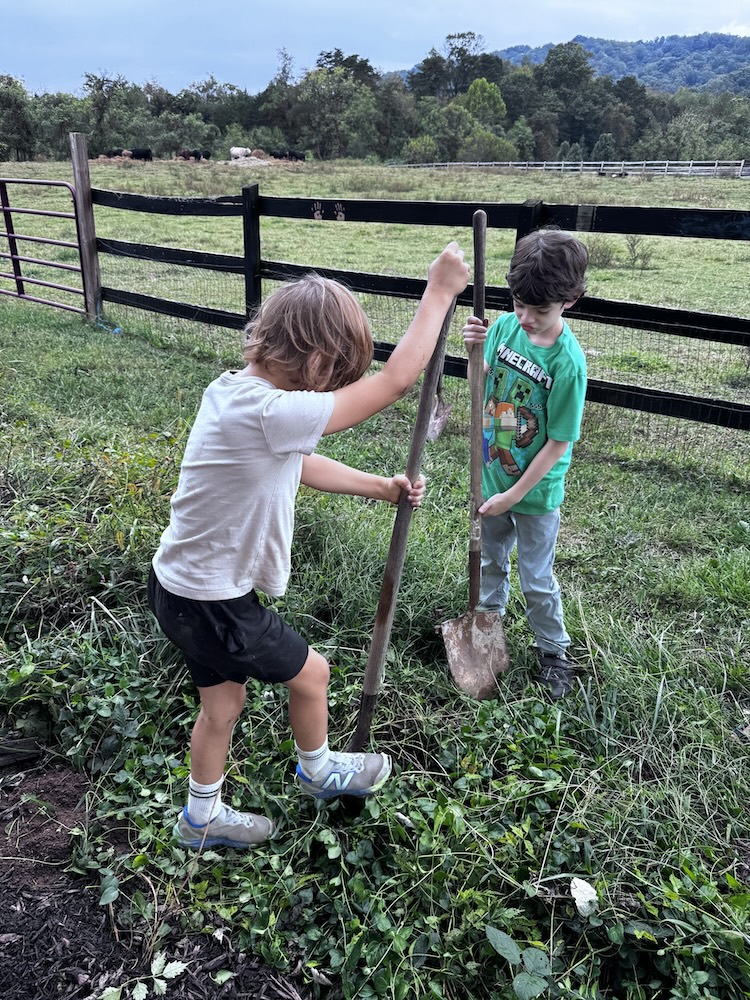
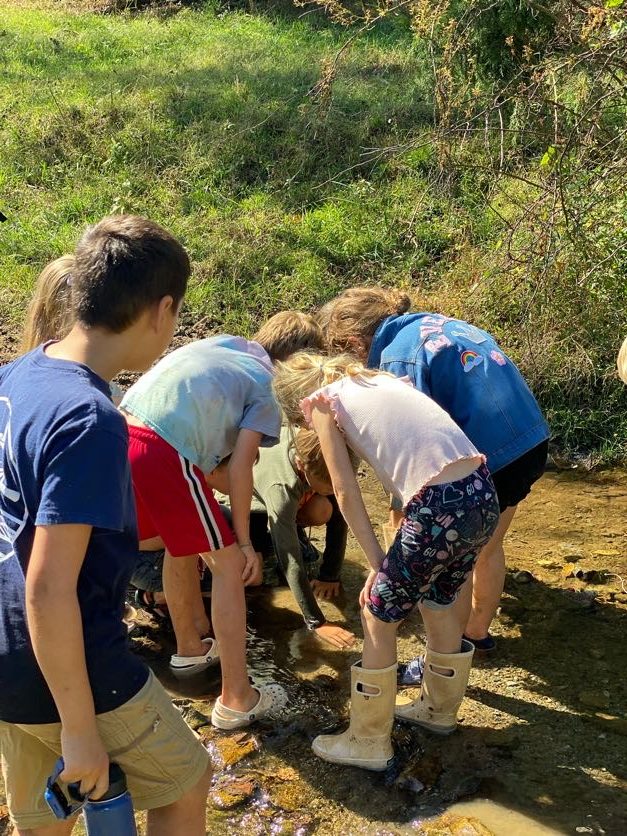
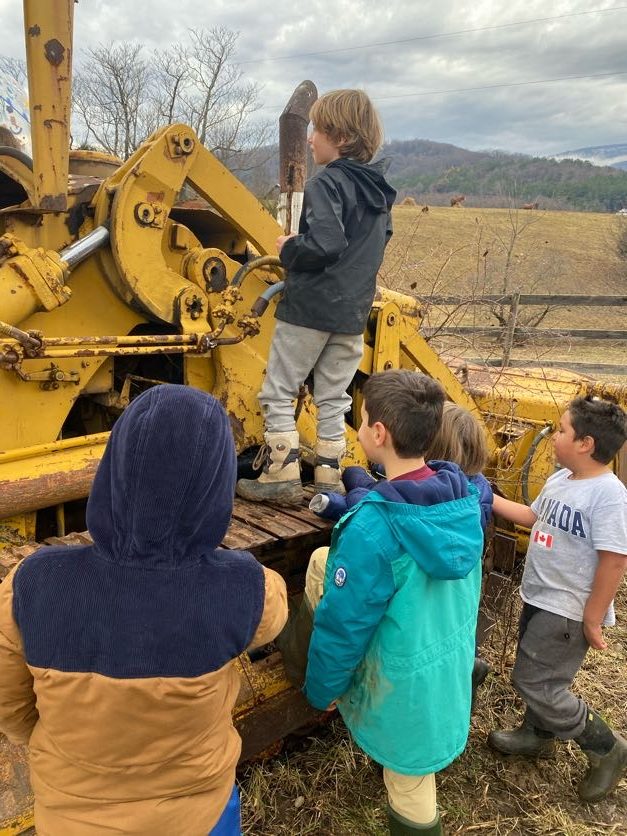
Farmers take active roles in stewarding the land: managing garden beds from seed to harvest, caring for animals with growing independence, maintaining tools and shared spaces, and mentoring younger students during projects and play. They begin to understand that their choices directly impact the health of the farm and the wellbeing of the group.

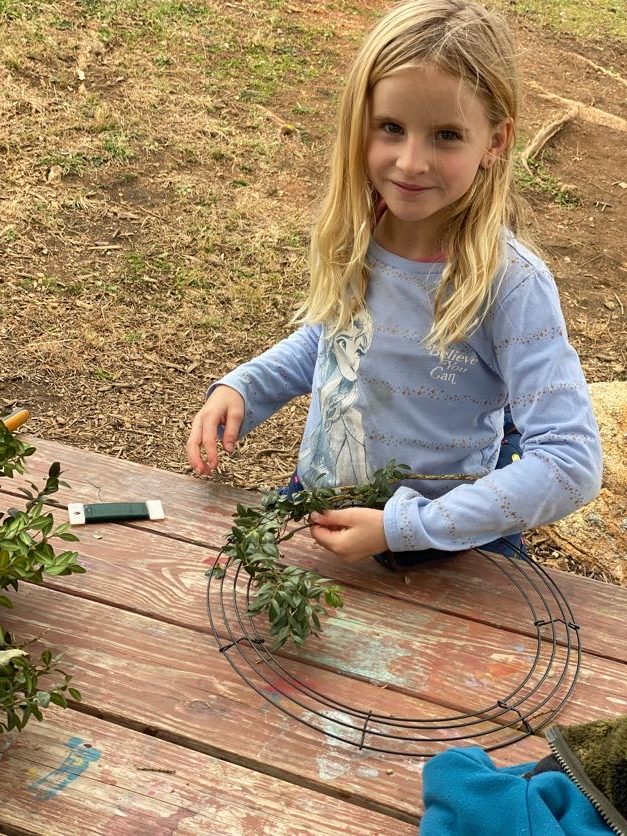
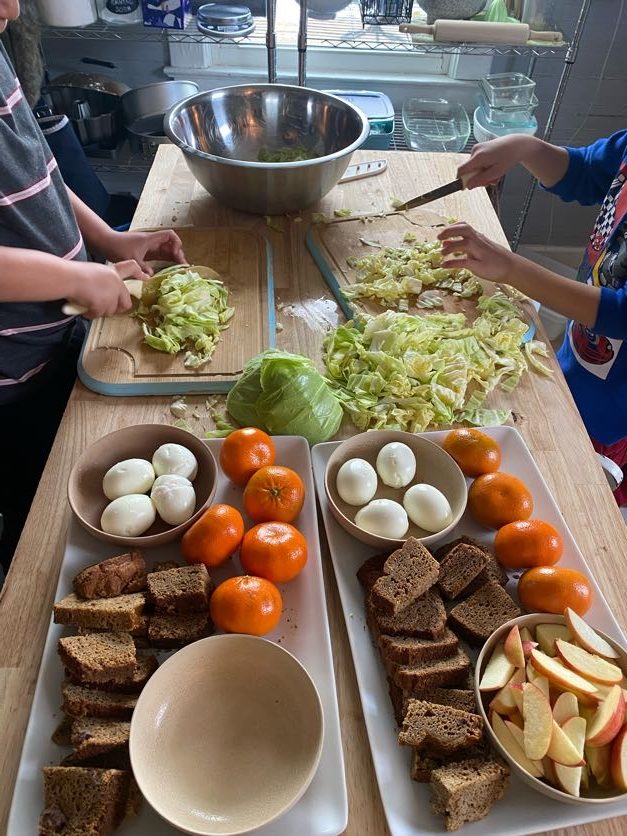
Beyond daily stewardship, our Farmers also help carry the vision of our larger community through participation in product creation and seasonal fundraisers. Whether preparing goods from the garden, assisting with packaging, helping organize market days, or contributing ideas for our homeschool co-op offerings, they experience the full cycle of effort, collaboration, and outcome. They see how their work supports shared goals — and how a community thrives when everyone contributes.

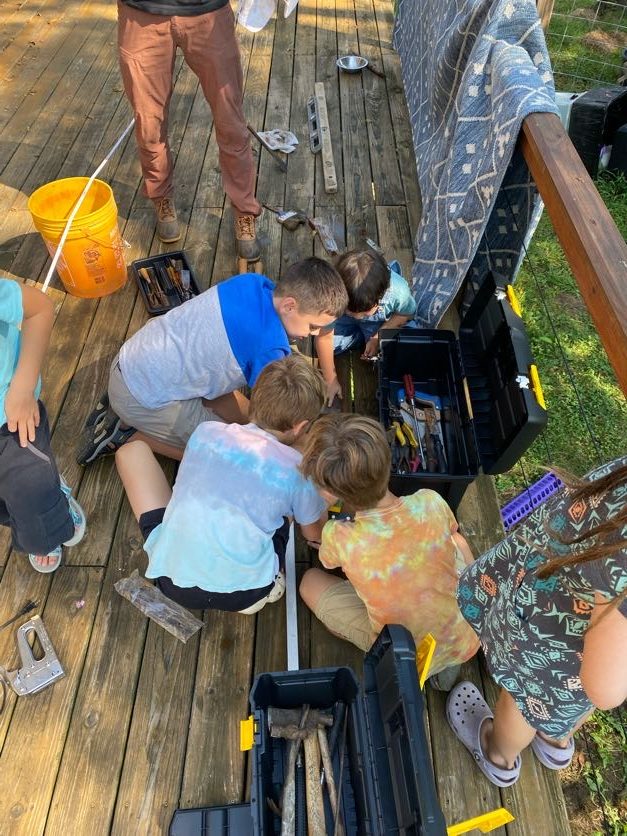
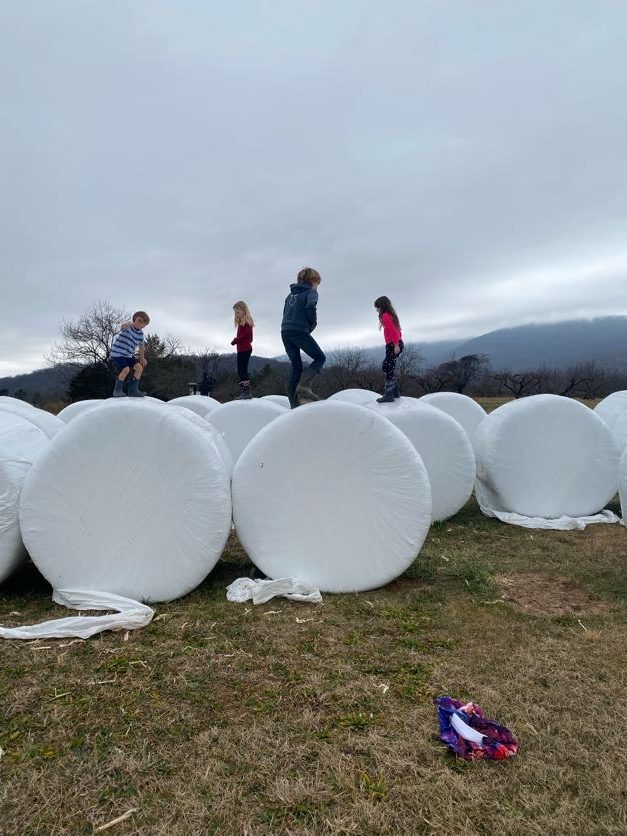
This matches their stage of childhood beautifully. Seven- to nine-year-olds are no longer simply explorers; they are builders. They are ready to take pride in tangible results, to practice follow-through, and to discover the quiet confidence that comes from meaningful work. In being entrusted with real responsibility, they rise to it.
Farmers Curriculum

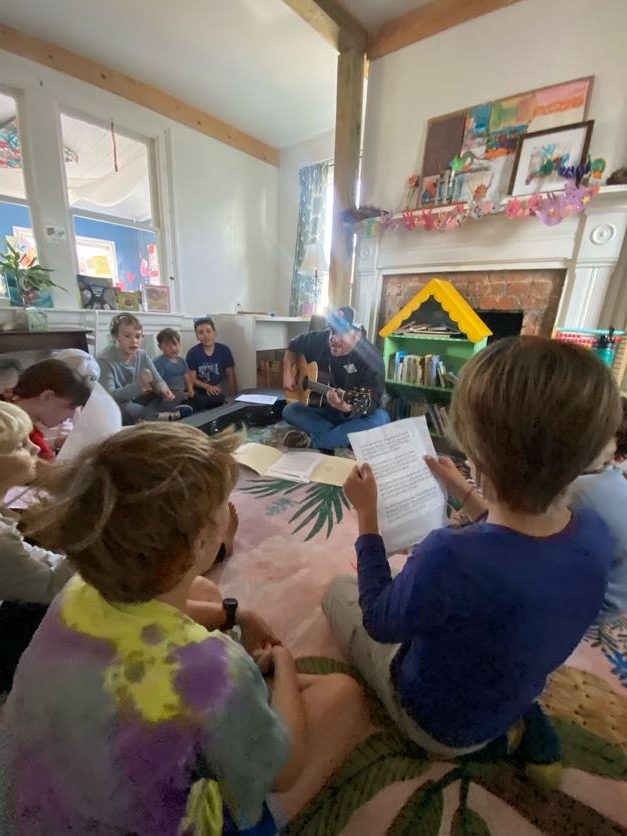
  • In our Farmer program (ages 7–9), social and emotional development remains foundational — but with greater depth and accountability. Each week, we continue our “Word of the Week,” exploring qualities such as Leadership, Integrity, Perseverance, Compassion, and Responsibility. Farmers are invited not only to understand these concepts, but to practice them actively within the group. We emphasize respectful dialogue, collaborative problem-solving, and increasing ownership of behavior. Teachers guide students in peaceful conflict resolution and conscious discipline practices, while gradually stepping back so children can navigate challenges with growing confidence and maturity.
  • Cultural and social studies expand through deeper engagement with geography, history, agricultural traditions, and community systems. We explore how food systems function, how different cultures farm and cook, and how local economies are shaped. Current events are introduced in age-appropriate ways, encouraging thoughtful discussion and critical thinking.
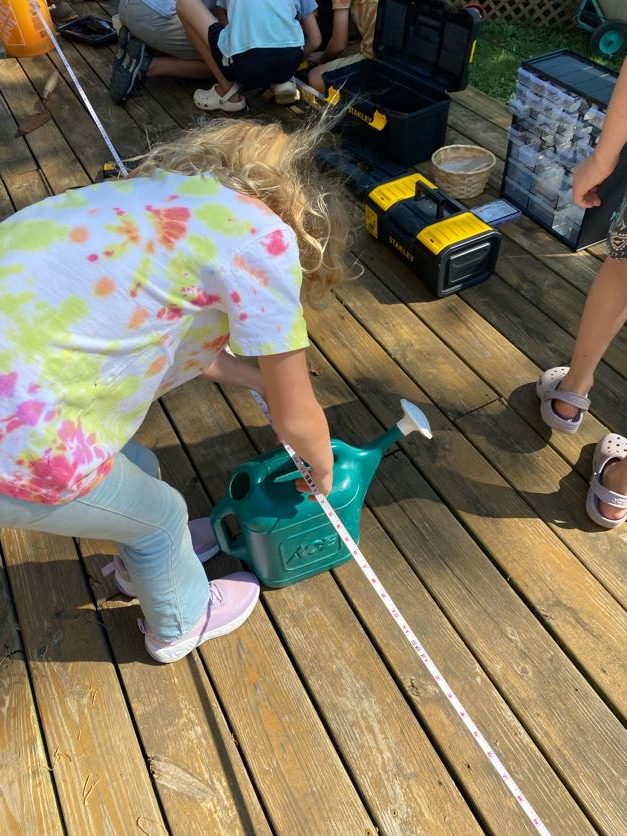
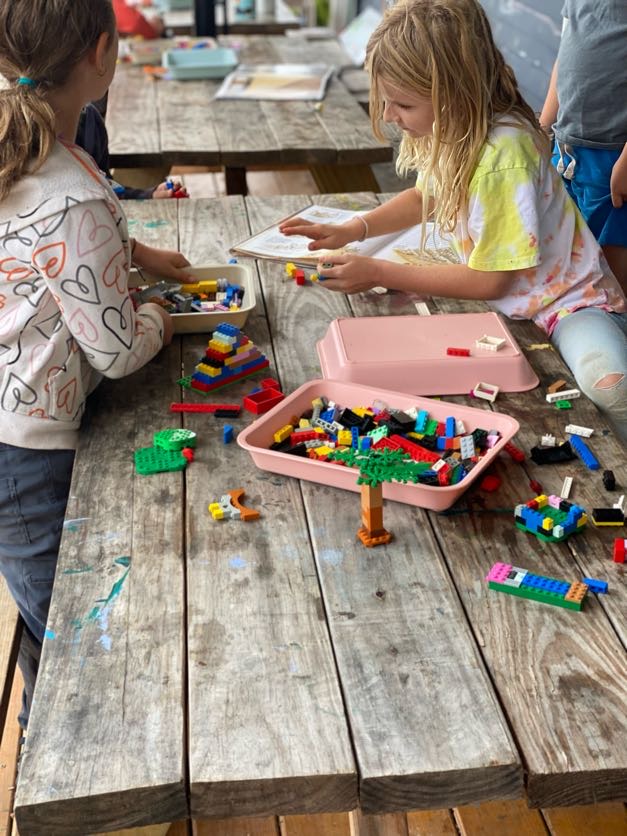
  • Math becomes more applied and purposeful within the farm context. Through Math Gnomes and project-based work, students practice multi-step problem solving, measurement, fractions, budgeting, and data collection. Gardening provides a natural laboratory for applied math — from calculating planting distances and estimating harvest yields to doubling recipes and tracking market totals. Math is no longer just playful exploration; it becomes a practical tool for real-world thinking.
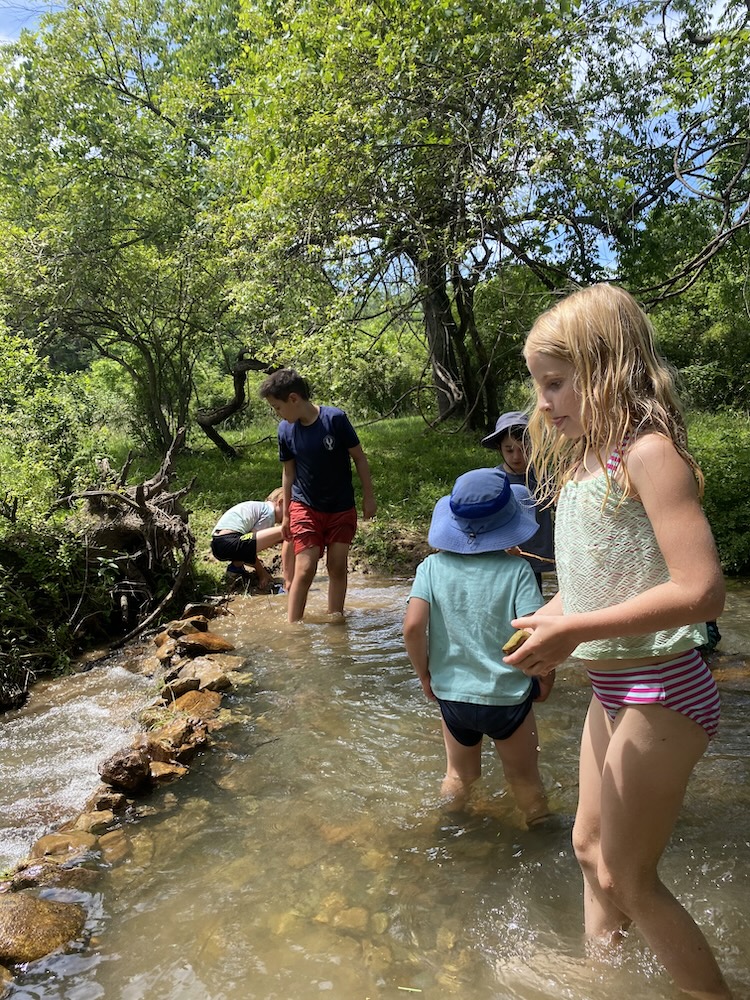
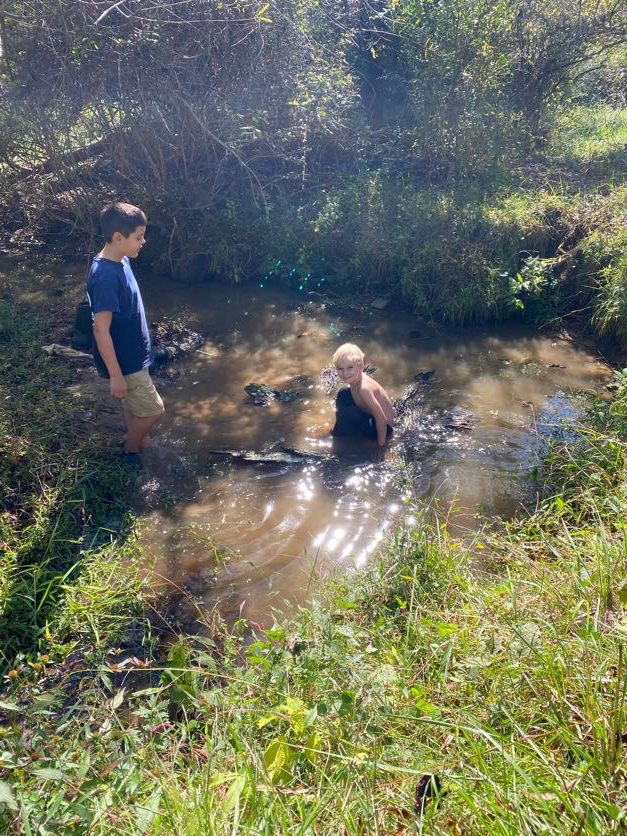
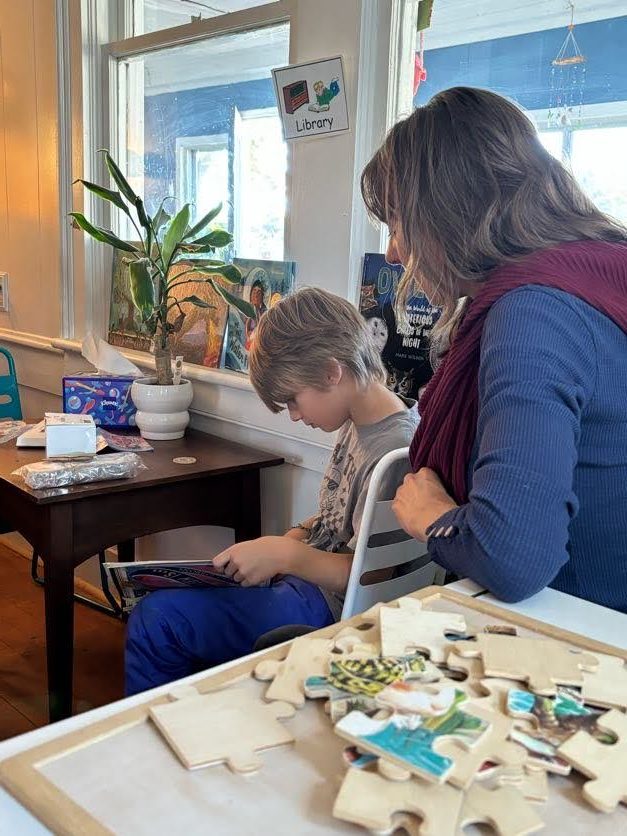
  • Language Arts instruction grows more structured and expressive. Farmers strengthen reading fluency, comprehension, spelling patterns, grammar foundations, and paragraph writing. Journaling becomes more reflective and descriptive, often tied to farm observations, field research, or project documentation. Vocabulary development continues through our Word of the Week and content-specific language drawn from ecology, botany, animal science, and craftsmanship. Storytelling evolves into written narratives, reports, and presentations.
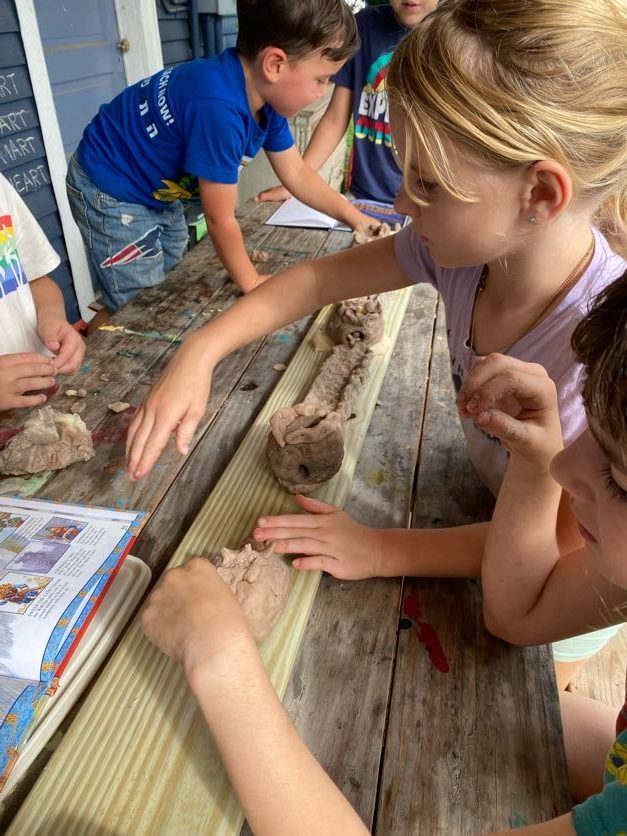
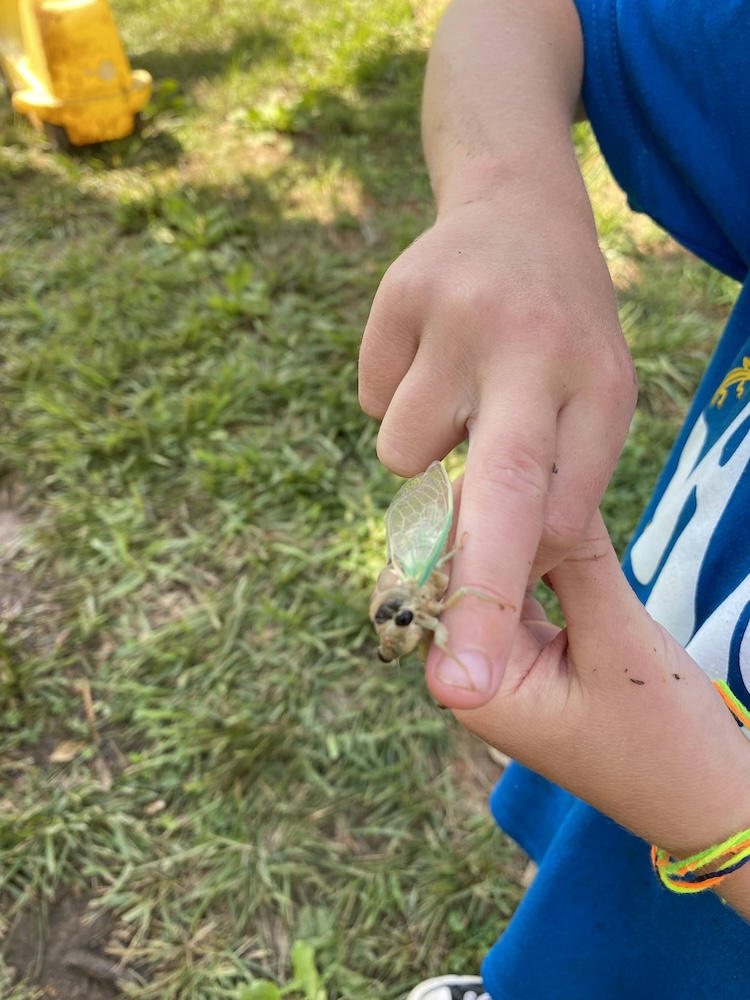
  • Science is approached with increasing inquiry and documentation. Farmers move beyond observation into hypothesis-making, recording data, and drawing conclusions. We study soil composition, plant biology, pollination systems, weather patterns, and animal husbandry with greater specificity. Students may track garden experiments, compare seed varieties, observe compost decomposition, or map ecosystems across the property. Simple experiments become more structured investigations, reinforcing scientific thinking skills.
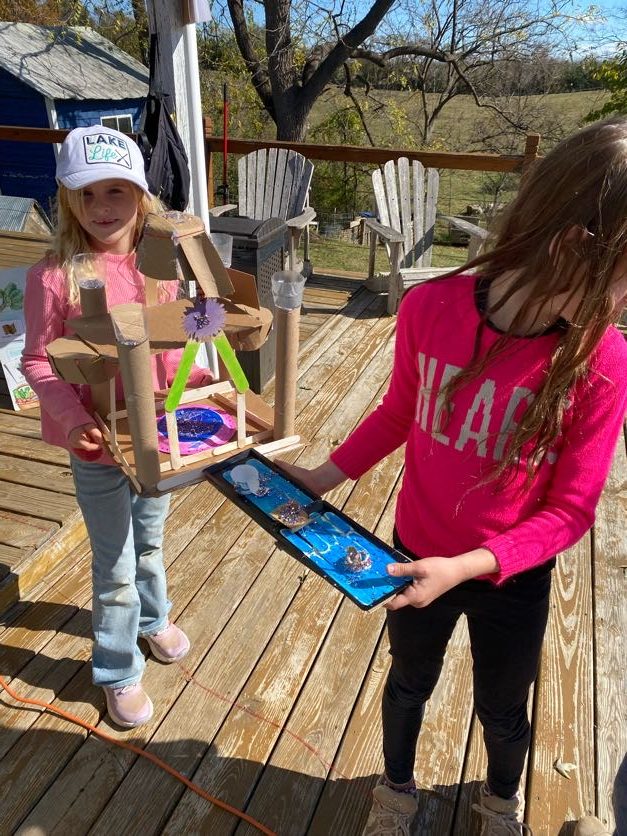
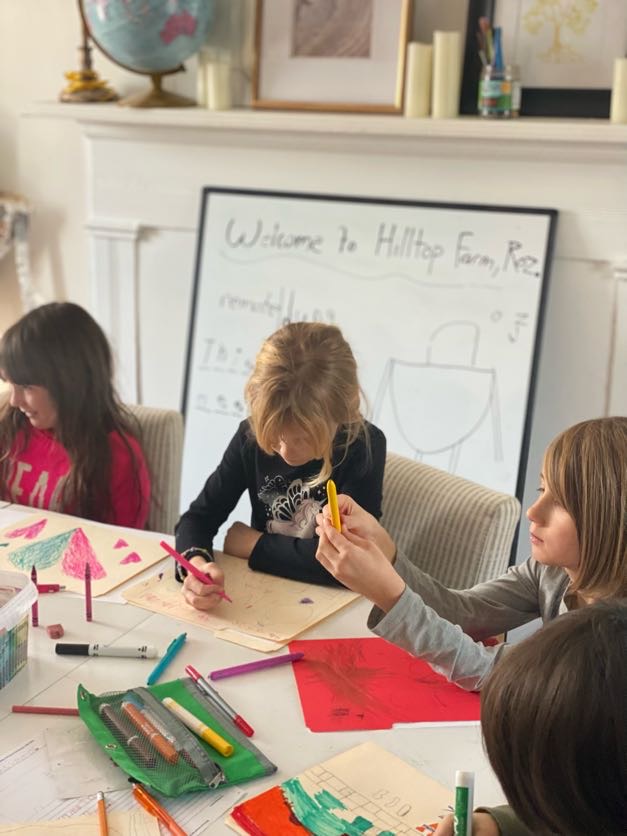
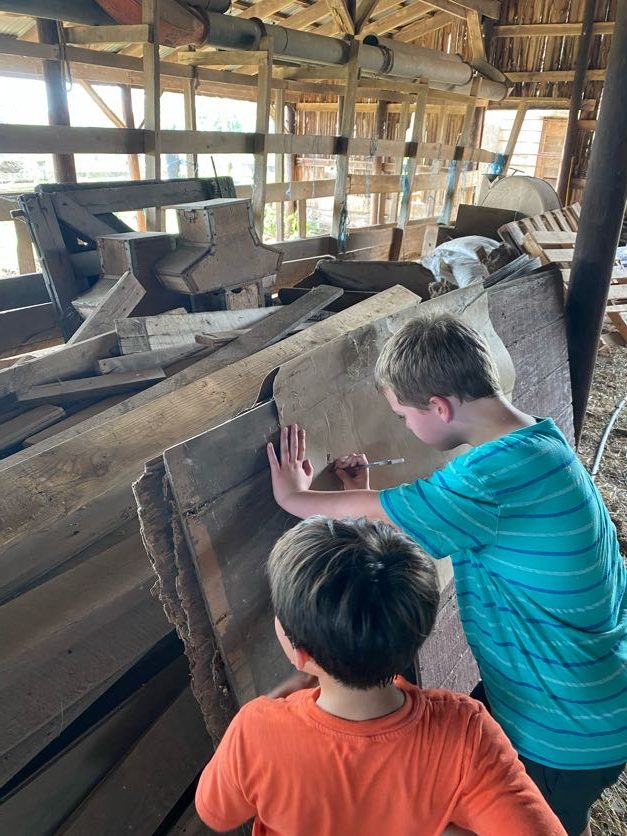
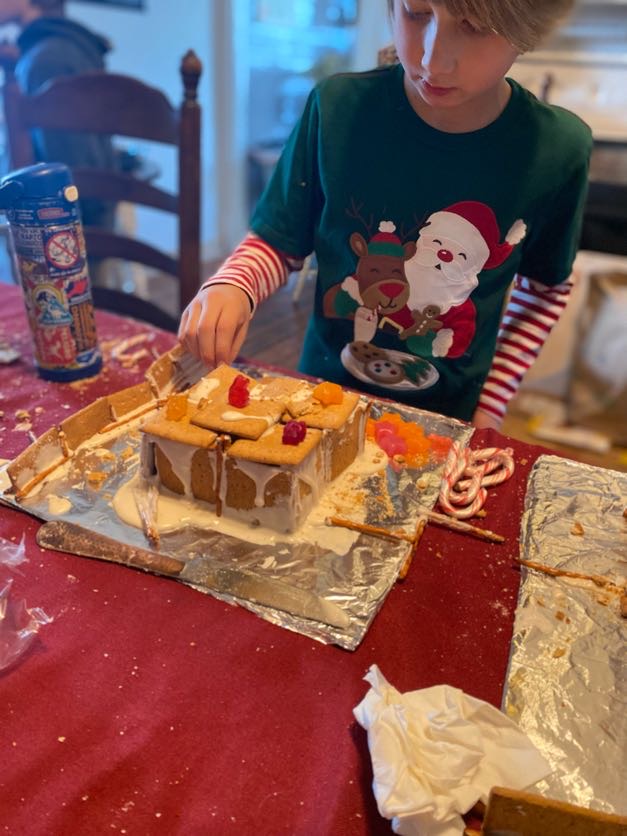
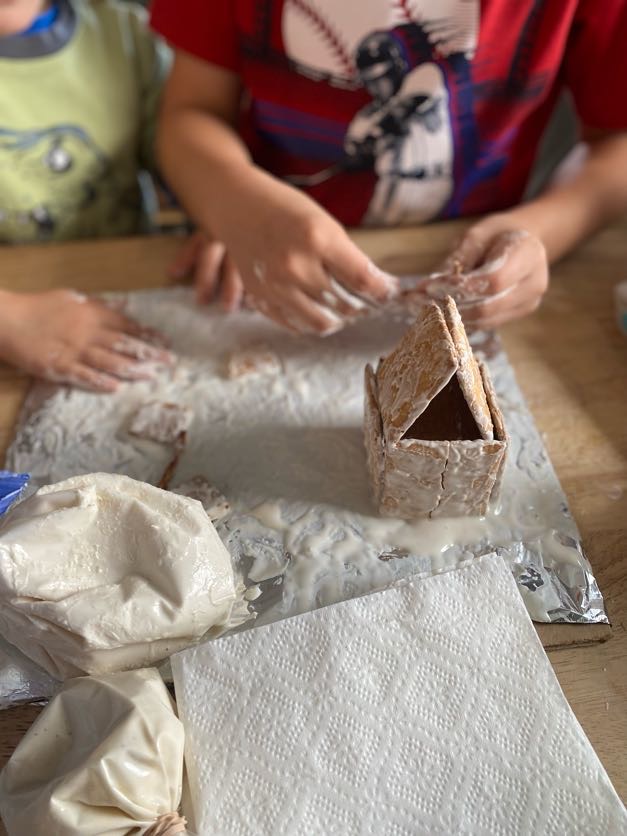
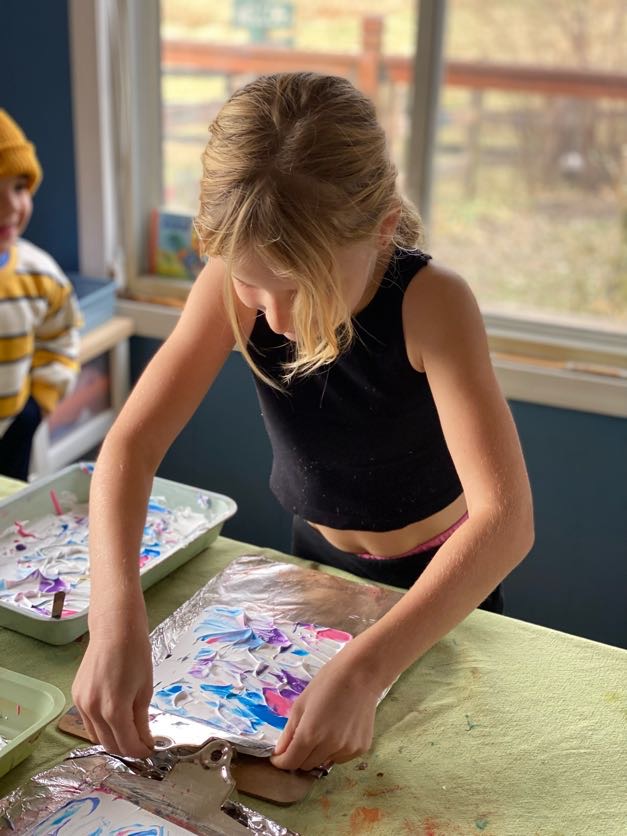
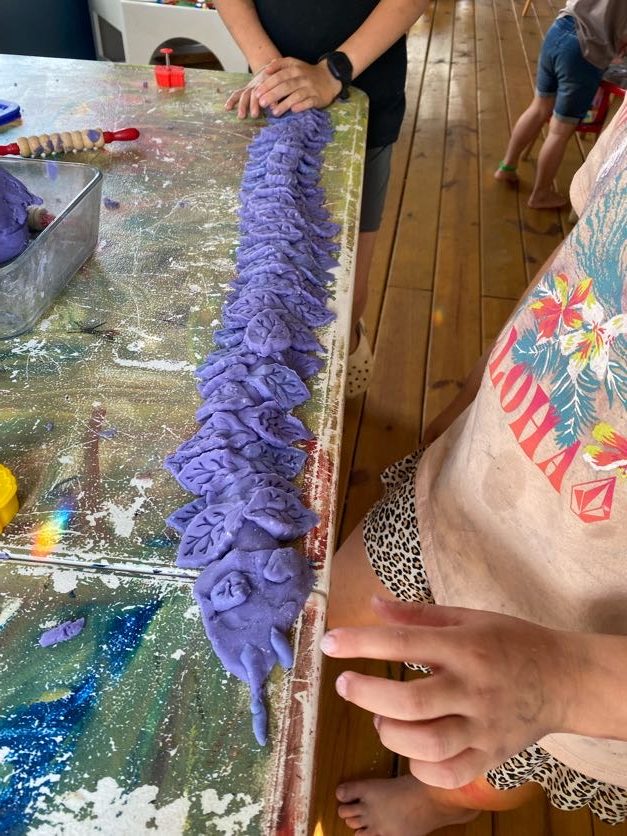
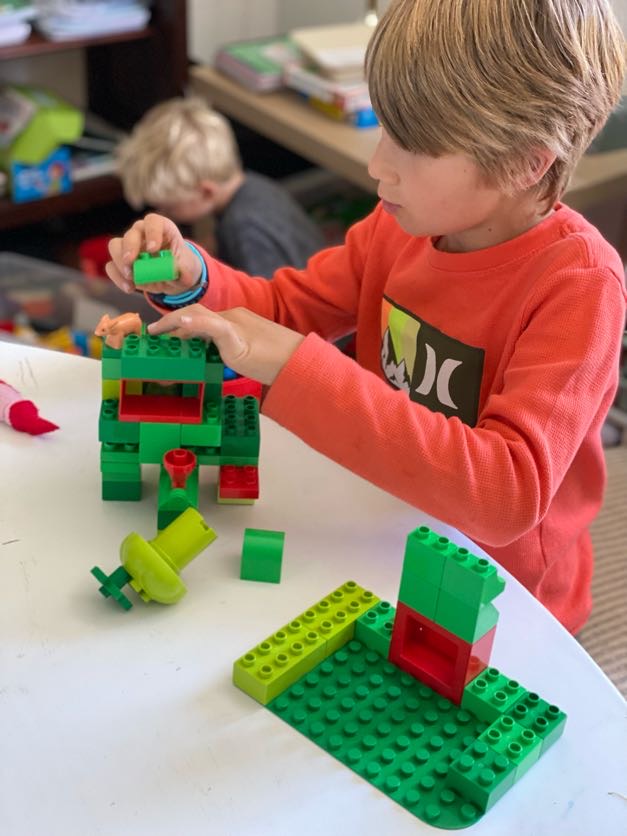
  • Art and design take on both technical skill-building and conceptual depth. Farmers may study architectural design principles through barn structures and ancient civilizations, engage in woodworking with measurable plans, practice fiber arts, or study notable artists with attention to technique and historical context. Creative freedom remains essential, but students are also challenged to refine craftsmanship, complete longer-term projects, and reflect on their creative process.
Become A Donor

Contact Info

Contact our Office

5455 Jones Mill Road
Crozet, VA 22932

(540) 699-0251
th***********@***il.com

Mon – Fri 9:00A.M. – 5:00P.M.

Social Info